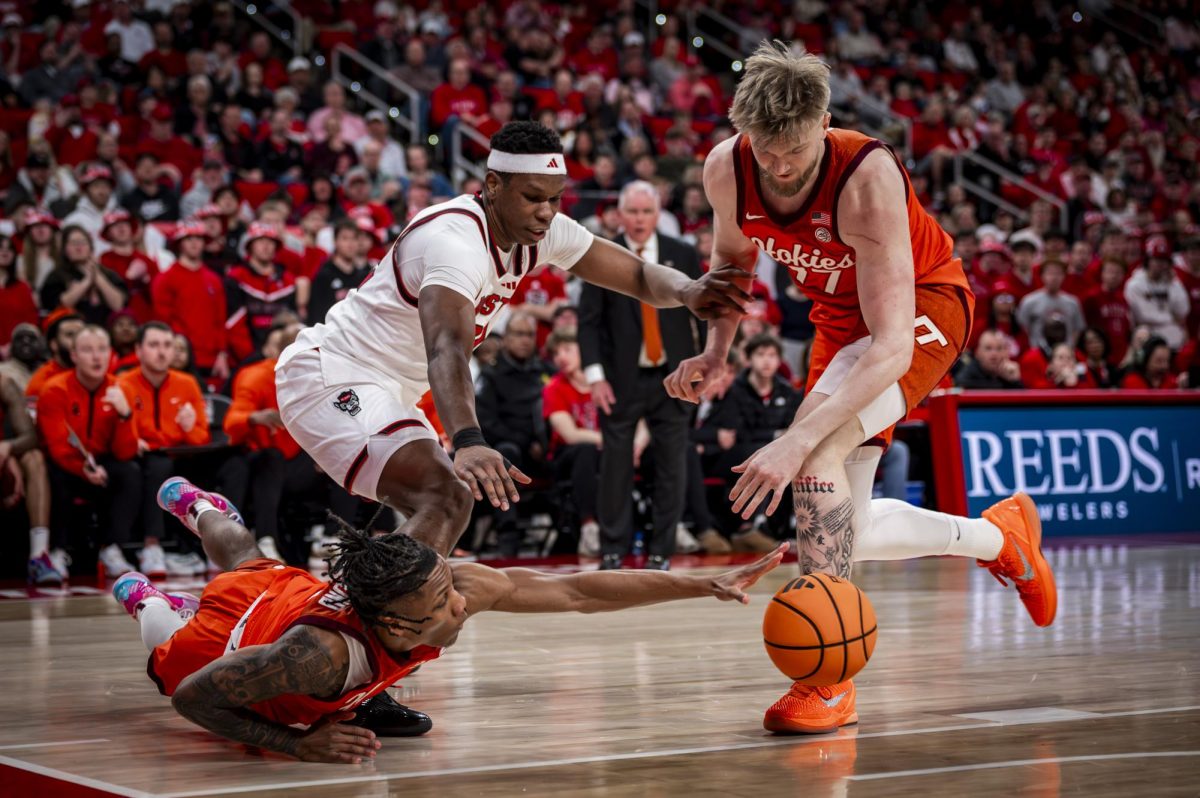
NIL in the context of sports stands for the name, image and likeness of an athlete. The NCAA is the governing body for over 1,000 college and university athletic programs across the country. They set the rules for athlete eligibility, tournaments, game rules, penalties and athletes’ NIL.
The expansion of college athletes’ rights has been a long-standing issue. As soon as these rights were expanded, the impact on college athletics was immediate. Athletes deserve to be paid for the use of their NIL. The ease of transferring schools because one offers a student-athlete a better financial package. It’s an unfair process. It’s not as easy for regular students — especially when they transfer more than once.
College athletics have always been popular, and as fans become deeply tied to a school — it doesn’t seem to be slowing down anytime soon. As popularity grew, the NCAA was established in 1906 to protect college athletes and regulate athletics at the collegiate level, a role that had not previously existed.
College athletics’ popularity and accessibility to fans grew when TV networks began securing the rights to college games. The first televised college football game happened in September 1939, with Fordham University going against Waynesburg College.
For years, the NCAA prohibited athletes from making money through media rights, ticket sales and royalties and imposed harsh penalties for doing so. They wanted to discourage athletes from choosing a school based on finances when being recruited.
As the years went on, college athletics became more commercialized thanks to TV deals and sponsorships. This has led us to where we are today, witnessing firsthand the immediate impact that paying college athletes has had on college and professional sports.
The first push for paying college athletes wasn’t until the early 2000s, when Ed O’Bannon, a basketball player at UCLA, sued the NCAA. He sued when he realized that a game was using his image without his permission, and believed that all athletes deserved compensation for this.
After five years, the court sided with O’Bannon and stated that college athletes need to be compensated for the use of their NIL. Later, California Governor Gavin Newsom signed the “Fair Pay to Play Act” into law in 2019. The act prohibits universities from limiting the amount of money college athletes can earn from their NIL.
While college athletes put in the most work on the field and brought all the glory to their respective schools, their coaches were receiving multi-million-dollar raises. At the same time, the NCAA limited athletes’ compensation to only their cost of attendance at the university.
College athletes deserve to be paid for their efforts and the value they bring to their respective programs. Coaches should not receive millions of dollars’ worth of raises added to their already substantial salaries for their team’s good performance, while their athletes can only be paid in tuition.
Prior to NCAA vs. Alston, in 2020, the highest-paid college football coaches were Clemson University’s Dabo Swinney, the University of Alabama’s Nick Saban and Louisiana State University’s Ed Ogregon. All three salaries were between 9.3 and 8.7 million dollars.
Several college football and basketball players sued the NCAA, claiming that their restrictions violated antitrust laws under the Sherman Act — which promotes fair competition and discourages monopolies from happening. In a unanimous decision, the court ruled that the NCAA’s rules were anticompetitive and unreasonably limited the compensation athletes received for their participation.
In July 2021, the NCAA revised its rules regarding athlete compensation and their NIL This marked a significant shift in the way athletes participate in college sports.
Since the Supreme Court’s ruling, the number of athletes entering the transfer portal has continued to increase. In 2024, 15,075 Division I undergraduate and graduate athletes entered the transfer portal.
There are several reasons why athletes decide to enter the transfer portal. Like seeking better opportunities at larger programs and more playing time, which overall increases their NIL value.
After a difficult season last year, NC State football’s star wide receiver, KC Concepcion, entered the transfer portal. He ended up transferring to Texas A&M University and is one of the top-paid wide receivers in the country.
Another athlete who has taken advantage of the transfer portal is men’s basketball player Ven-Allen Lubin. Since his first year in 2022, he has played at the University of Notre Dame, Vanderbilt University, the University of North Carolina and now plays at NC State.
I’m all for athletes making money from their NIL. I wouldn’t want my name and image to be used in a sports game without me receiving any compensation. Aside from that, the revenue from merchandise and licensing generated by programs is substantial and even after manufacturing costs are covered: athletes deserve their respective compensation.
Yes, the transfer portal gives athletes more control over their college career and helps them find the best fit for them. But at the same time, it disrupts their academic journey, especially when transferring more than once, which reduces a program’s competitiveness and affects team chemistry.
The transfer portal gives the impression that earning your college degree, is less important than maximizing your earnings through NIL at a larger athletic program. With athletes transferring to bigger programs, they continue to gain a competitive edge and have more resources at their disposal compared to those in smaller programs.
The best way to manage the transfer portal is to set a limit on the number of times athletes can transfer. Yes, they do lose some control over their athletic journeys, but it limits the loss of competition and the impact on smaller programs. Transferring three times is kind of obnoxious.
I can’t honestly say that if I were a star athlete at a small program, I wouldn’t be tempted to transfer to a much bigger program. As we gain a clearer picture of the factors that impact the transfer portal, combined with the expansion of NIL rights, I believe we will begin to see changes enacted by the NCAA, along with pushback.