There’s a strange feeling I get when I scroll through social media now. Everyone begins to blur together. The same water bottles, the same clothes, the same makeup, the same poses, the same “clean girl” aesthetic and even the same faces. Sometimes it feels like individuality is slowly disappearing, replaced by whatever trend is currently dominating the internet. While trends have always existed, I think social media has changed the way we follow them; it has made many people feel pressured to look, act and live the same way as they see on their devices.
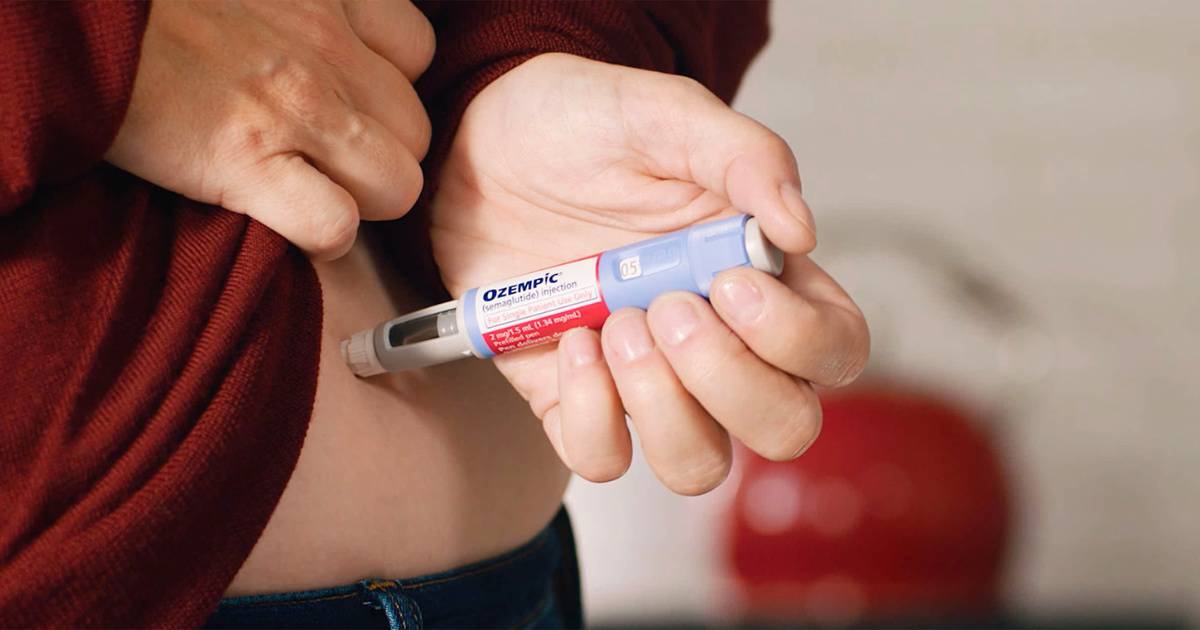
One of the biggest examples of this today is the rise of Ozempic and similar medications being used for weight loss instead of the health conditions they were created for. Ozempic was intended to help people with type 2 diabetes and other serious health concerns like “heart disease, stroke, heart attacks, etc”, but now it has become part of a beauty trend. Everywhere online, people are praising extremely thin bodies again; celebrities and influencers suddenly seem to lose weight overnight. Because of this, being skinny has once again become the “ideal” body type, and many people feel like they have to change themselves to fit.I am not saying weight loss is wrong, and I am definitely not saying people should not use medications that help their health. The problem begins when appearance becomes more important than well-being, and when people start changing themselves simply because society tells them they should.
The same thing happens with trends and products. Suddenly, everyone has a Stanley Cup or an Owala bottle because social media decided they were essential. There is nothing wrong with liking these things. If someone genuinely enjoys a product, style or trend, that is perfectly okay. The issue is when people only want these things because everyone else has them. At that point, it stops being about personal interest and starts becoming about fitting in. Social media has made trends spread faster than ever before.
In the 80s and 90s, trends still existed, but people seemed to have more personal style. Someone could dress differently, listen to unusual music, or uniquely decorate their room without feeling pressured to match everyone else. People had their own identities. One person might have been punk, another sporty, another artistic and another completely impossible to label. Their interests shaped who they were.
Now, many people are trying to fit into an “aesthetic.” Instead of discovering who they truly are, they try to become a carefully curated image. Someone might decide they are a “clean girl,” “alternative,” “earthy” or another trend that social media creates. These aesthetics often look beautiful online, but they can also make people lose touch with their real personalities. Human beings are more complicated than internet categories.
I think we are forgetting that who we are should come from what we genuinely love and connect with. We are shaped by our interests, our memories, our hobbies and the things that make us feel alive and happy, even if they are considered “out of date.” Maybe someone still loves old movies, band tees, collecting CDs or decorating their room in a style that is no longer trendy. That does not make them less valuable. In fact, those unique interests are often what make people memorable and authentic.
Plastic surgery is another example of how everyone is starting to look alike. A “Rhinoplasty, commonly known as a “nose job,” has become a breakout procedure among younger patients.” “In the past, plastic surgery procedures like breast augmentation were sought after by patients before going to college,” Dr. Goslawski explains. ‘However, now we are getting requests for rhinoplasty in patients as young as 16.'”
Again, I am not against plastic surgery. People should have the freedom to do what makes them happy and confident in their own bodies. However, it is impossible to ignore how social media has created one specific beauty standard that many people are trying to achieve. The same sharp jawlines, full lips, tiny noses, high cheekbones and smooth skin appear everywhere online.
After a while, different faces begin to look identical. This affects younger generations deeply because they grow up believing this is what beauty is supposed to look like. They compare themselves to influencers, celebrities and edited photos. The danger is not the surgery itself, but the idea that beauty only exists in one form. Real beauty was never meant to fit into a single mold because people were never meant to all look the same to begin with … literally.
At the end of the day, I don’t want to say trends are evil. It is okay to enjoy popular things, buy trendy products or experiment with fashion and beauty. The problem begins when we stop asking ourselves whether we actually like something or if we just want to belong. Social media can be inspiring, but it can also slowly erase individuality if we let it decide who we should be.
I think the world becomes much more interesting when people allow themselves to be unique. The things that make us different are not flaws to fix, but they are proof that we are human. We should not feel pressured to shrink ourselves, reshape our faces or force ourselves into an aesthetic just to feel accepted. The goal should not be to look like everyone else. The goal should be to become comfortable enough to look and grow into ourselves.