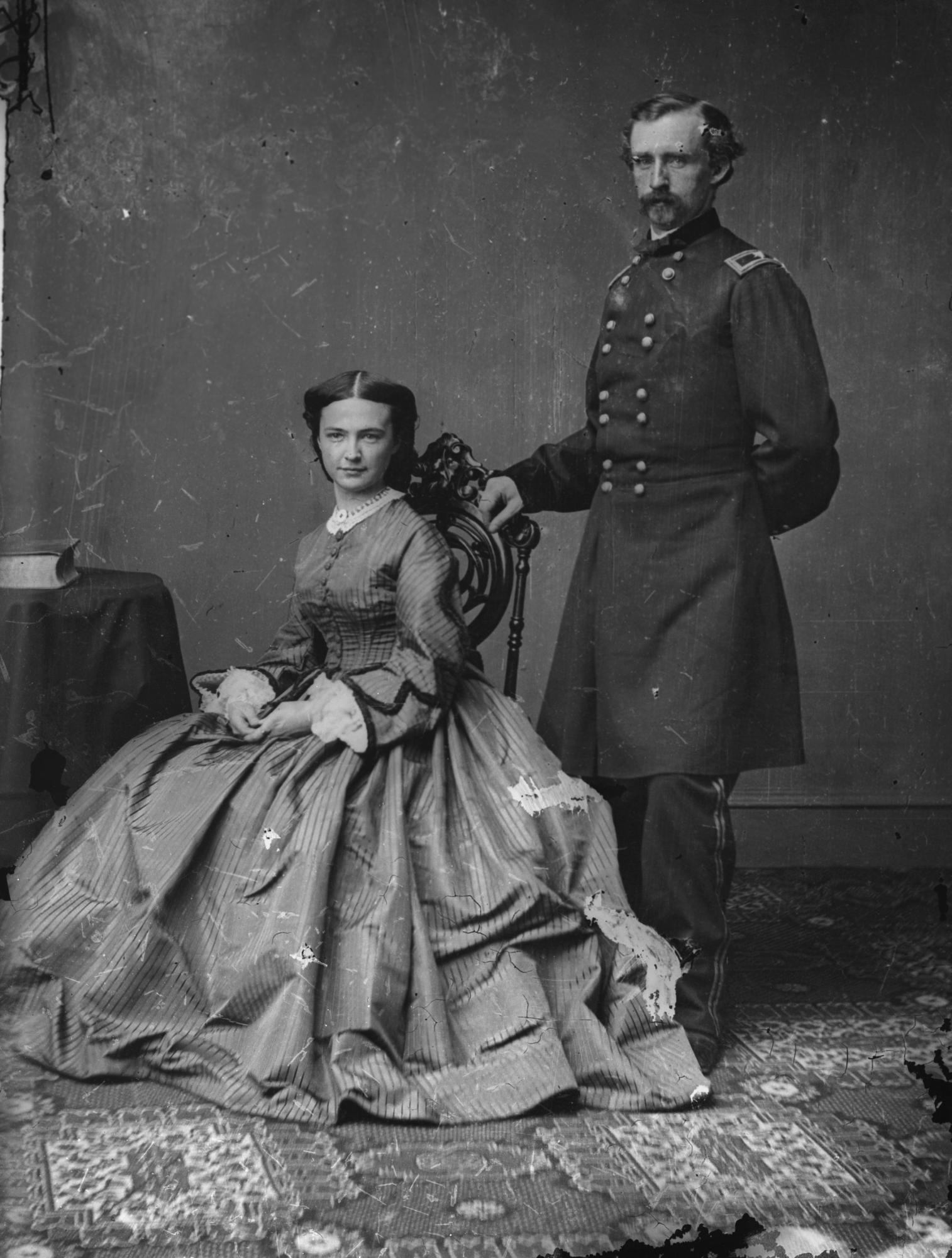
In the 19th century Lt. Col. George Armstrong Custer and the 7th Cavalry Regiment entered a valley near the Little Bighorn River. They fought Native American forces in a battle that was part of the larger “Great Sioux War of 1876,” on June 25, 1876. The United States suffered heavy losses throughout the day. By the end, Lt. Col. Custer and more than 200 of his men had been killed. The U.S. was defeated. The dust at Little Bighorn settled long ago, but the story America told about it did not. When George Custer rode into that valley in 1876, he was chasing glory and met his end. What happened next was not reflection but reinvention.
A reckless attack became a “last stand.” Arrogance turned into bravery. Defeat became legend. Custer did not just die in Montana, he was brought back to life in myth. And that myth taught America something it has never forgotten: how to turn failure into heroism.
The real story of the Little Bighorn is much less romantic than what paintings and textbooks show. American textbooks turned Lt. Col. Custer’s defeat in 1876 into a tale of noble sacrifice by calling it “Custer’s Last Stand” and making it a key national story. In reality, Custer disregarded orders, split his unit and entered battle based on false assumptions.
Still, the version we teach focuses on heroism, not mistakes. Even calling it a “battle” hides the fact that Indigenous people were defending land they had rights to by treaty. So why do we herald his battle as such a defining moment? Because the truth was too humiliating to share.
The Custer myth was not just about honoring one man. It supported a way of thinking that made conquest seem noble, and that kind of thinking still shapes how America talks about its failures.
In the years that followed the battle, Custer’s widow, Elizabeth Custer, worked hard to change how people remembered her husband. She wrote books, gave lectures and described him as a martyr for civilization rather than someone brought down by his own ego.
The government and the press supported her efforts, since they also wanted to protect the Army’s reputation after such a public failure. Together, they turned his defeat into a patriotic legend that made Americans feel proud instead of ashamed. This new version helped ease wounded national pride. Losing to Native forces became a reason to seek revenge. Afterward, the U.S. military launched harsh campaigns that destroyed Native villages, left families starving and ended in massacres like Wounded Knee.
Some people believe that myths like Custer’s have a purpose and that every nation needs heroes, even if they are flawed. They argue that stories of bravery and sacrifice, even if not entirely accurate, provide people with something to believe in. Without these stories, they say, history would be nothing but shame and guilt.
Supporters of national myths think that removing old legends weakens unity and damages patriotism. They believe that collective pride sometimes depends on remembering only the best part of ourselves, which can help us move forward. However, pride based on half-truths is weak. If a nation’s strength relies on denial, it is not a genuine strength, but fear masquerading as faith.
Custer’s story isn’t just about one man or one battle. It’s about a country that prefers to celebrate its pain instead of trying to understand it. The U.S. has always been good at rewriting its own story, turning its darkest moments into tales of bravery.
That’s how the myth survives: by believing that heroism can make up for anything. When we praise men like Custer without facing the harm they caused, we’re not preserving history; we’re holding onto an illusion. The problem with that illusion is that it continues to shape how America addresses its failures.
The real courage America needs isn’t found on the battlefield; it’s the courage to look honestly at itself. Until we start telling our stories truthfully, we’ll keep mixing up myth with meaning and mistaking denial for destiny.