The Pentagon announced that the soldiers responsible for the Wounded Knee Massacre would be allowed to keep their Medals of Honor on Sept. 26; a decision that speaks volumes about the kind of history America chooses to honor. It wasn’t just a bureaucratic ruling; it was a moral failure. The snow melted, but the silence never did.
The massacre at Wounded Knee Creek didn’t just end lives, it began a legacy of denial that still defines this country. America is a nation that builds monuments for its myths and graves for its truths. We call genocide “expansion,” conquest “destiny” and murder “bravery.”
Wounded Knee wasn’t just a massacre; it was a mirror, showing the face this country still refuses to see. Because what happened in the frozen valley wasn’t an accident of war, it was a choice. A choice to protect the illusion of righteousness, even when surrounded by the evidence of cruelty. And more than a century later, that illusion remains untouched, like the snow that never melted at all.
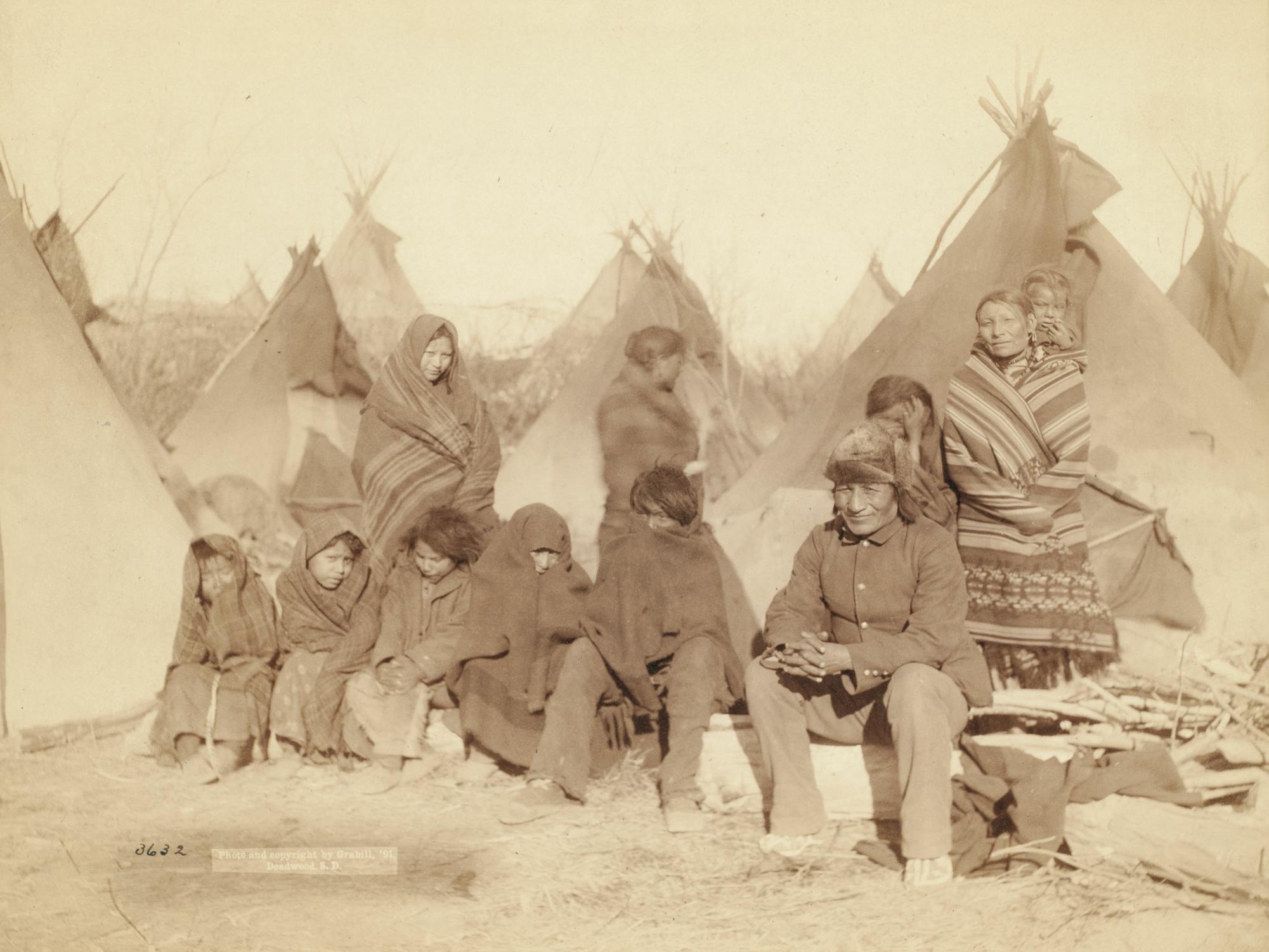
In December 1890, United States Soldiers surrounded a Lakota camp at Wounded Knee Creek under orders to disarm them. The official reason was “disarmament.” The government had grown paranoid about the Ghost Dance movement, a spiritual ceremony that promised the restoration of Native lands and the fading of white control.
The Lakota weren’t planning a war; they were holding onto hope in a world that kept shrinking around them. But to federal officials, even prayer looked dangerous. It was easier to label faith as rebellion than to face the truth of what had been done to these people.
Soldiers moved through the camp, searching bodies, seizing rifles and stripping away dignity under the banner of “order.” The air was tense, full of fear and humiliation. And when one gun went off, no one knew whose. The soldiers responded by opening fire and the government’s call to disarmament became a massacre.
When the shooting stopped, the snow was red and the silence was deafening. But the United States called it a victory. More than 250 Lakota were dead, half of them women and children, and twenty soldiers from the 7th Cavalry were awarded the Medal of Honor for their “bravery.” There was no bravery, only a savage display for turning guns on families for firing into tipis and for killing people who had already surrendered. Over a century later, those medals still stand. In 2024, the Pentagon launched a review of the awards, only to confirm in 2025 that they would remain untouched.
America didn’t just massacre people; it honored their killers. That isn’t history; it’s a habit, one that still defines how this country chooses to remember itself.
The real issue isn’t just what happened at Wounded Knee, it’s how this country chose to remember it. The United States turned a massacre into a story of bravery and that story still protects people from facing the truth.
The medals given to the soldiers who killed and massacred innocent people were not mistakes. They were deliberate, a reward for doing what the government wanted done. Those medals are still recognized today, even after Native leaders called for them to be revoked.
Maintaining them suggests that America is more concerned with defending its image than correcting its record. Admitting the truth would mean acknowledging that our heroes weren’t always right, or even heroes at all and that our country has often taken pride in its own cruelty. That’s the uncomfortable part of history we keep avoiding. But until we can accept that truth, we’ll keep doing the same thing: covering up violence, protecting power and calling it honor.
Some people say we should leave Wounded Knee in the past. That it happened too long ago to matter. They argue that revisiting old tragedies only divides the country and that taking back medals or rewriting narratives accomplishes nothing for the present. To them, history is best left as it is. Uncomfortable, but over. But the past doesn’t stay buried when the same logic still runs through the present.
The way this country handles Wounded Knee mirrors how it handles every other moment when the United States is forced to look at its own cruelty. Whether it’s the invasion of Iraq being rebranded as “liberation,” or the treatment of Native and Black communities being softened into “growing pains of a new nation,” the pattern is the same: America renames its violence until it sounds like virtue. That’s not history, but propaganda. When the Pentagon refuses to revoke medals tied to a massacre, it’s not just defending old soldiers; it’s defending the idea that America is always right.
That mindset reaches far beyond military history. It shows up in classrooms where Indigenous genocide is treated as a side note, in holidays that celebrate conquest and in how this country still handles its promises to Native nations; through broken treaties, underfunded health care and land that remains controlled by someone else.
For example, in many U.S. schools, the magnitude of Indigenous loss is rarely addressed: a review of state standards found that Native Americans are often portrayed only in the past tense, mentioned briefly in early history lessons and then erased from modern America entirely. Historians and educators argue that this framing isn’t accidental, but instead reflects a deeper national discomfort with confronting colonialism and its lasting consequences.
This isn’t just about memory; it’s about morality. What a nation chooses to remember and what it chooses to forget reveals more about its character than any flag or anthem. Keeping those medals, avoiding the word “genocide” and teaching children a version of history that stops before the truth begins are not accidents. They are choices. Each choice supports the same illusion that made Wounded Knee possible: that America’s violence is always justified.
If we can’t face the massacre at Wounded Knee honestly, we won’t see it when it happens again in a different way, with new victims and a new excuse. The point of justice is not punishment; it is prevention. A country that can admit its wrongdoings can finally stop repeating them. But a country that hides them behind patriotism will always find new ways to commit them. The snow at Wounded Knee melted long ago, but the silence did not. Until that silence is broken, we will continue to confuse denial with peace and history with absolution.