America is less than 250 years old and has less history compared to other iconic nations and empires such as China, Egypt or Rome.
This young age is what makes the prominent nature of American media and culture on a global scale as impressive as it is unbelievable. In this short time, America has become more than just a household name, but the root of most modern global culture, especially in entertainment.
Modern entertainment in the Information Age takes innumerable forms, but inarguably one of the most popular is the modern live-streamer.
What started as a simple way to turn routine video gaming into a small-scale version of live sports streaming has developed into a global form of entertainment and even news.
However, due to the history of entertainment in America, streaming has developed in an almost backward direction towards a new form of minstrelsy.
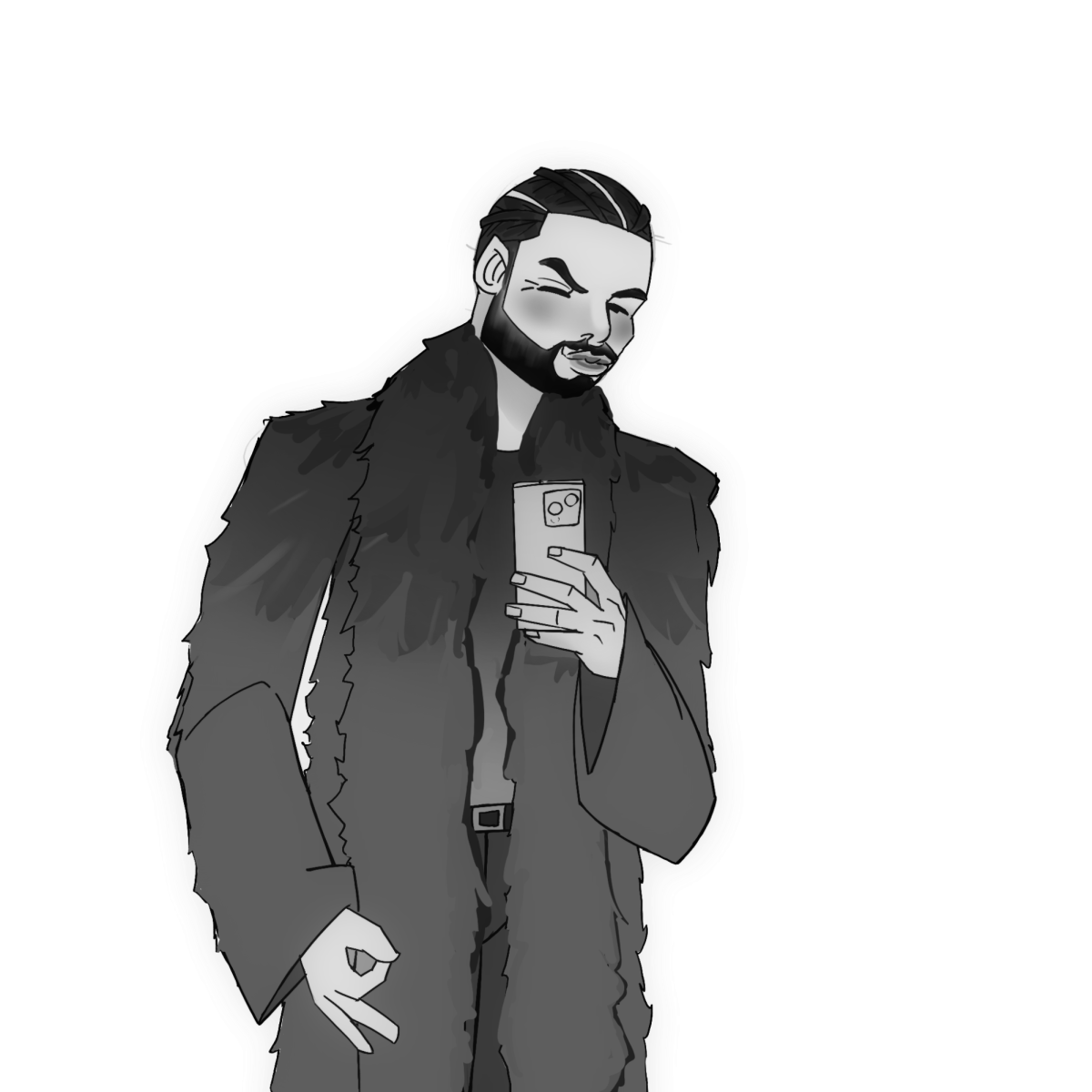
Among the most popular streamers in the world are figures Kai Cenat, Speed, Adin Ross and N3on. The connection between all of these people is that their rise to fame came from a tried and true American method — minstrelsy.
Prominent American writer and journalist Nick Tosches considers minstrelsy as “the first emanation of a pervasive and purely American mass culture” in his book, “Where Dead Voices Gather.”
What is minstrelsy?
Minstrelsy was and is a form of American theater (or entertainment) in which predominantly white male actors would put on blackface and act out egregious stereotypes of Black people.
These stereotypes portrayed Black people as stupid, lazy, lustful, greedy, cowardly, superstitious, servile, dangerous and happy-go-lucky. The most infamous of all being Jim Crow.
Now, what exactly does blackface minstrelsy have to do with modern streamers?
To answer that, you would need to know about the rise of these streamers, how they gained their following and what catapulted them to commercial success in the entertainment industry.
Adin Ross and N3on
Adin Ross and N3on both gained fame in 2020 by collaborating with Black streamers, creating a racial diffusion in their audiences.
Adin Ross, especially, gained lots of popularity during this period. He did this mainly by inviting rappers and prominent Black people onto his streams to give him some sort of legitimacy, as a white person who had a large Black audience.
Ross makes jokes at his own expense toward his Jewish identity, makes jokes about Black people — Black women in particular — and makes constant use of the n-word.
He often makes jokes based on stereotypical representations of Black women rooted in American minstrelsy, such as them being too lustful, stupid or lazy to be good partners.
N3on, like Adin Ross, is another creator who developed as an entertainer and makes fun of himself and other groups of people — especially Black people and women.
Adin Ross and N3on are two non-Black people who have grown their images by leeching off popular and acceptable Black-person stereotypes that got their earliest start with the minstrel show. They also appropriate Black slang and imagery, reminiscent of minstrel era white performers.
Kai Cenat and Speed
Kai Cenat and Speed are different from N3on and Adin Ross in one major way … they’re Black. They also represent minstrelsy, but arguably, another more interesting side: the Black Minstrel.
Speed and Kai rose to streaming popularity as teenagers and early adults. They made a name for themselves acting out Black stereotypes which Adin Ross and N3on made a career impersonating.
Although Speed and Kai may not as explicitly represent it today, in their older videos there are examples of Speed getting jump scared in a scary game, and then “turning” into the “ratchet Black woman” stereotype, or him and Kai both screaming at the top of their lungs for chicken or watermelon.
From a historical perspective
Historically, some Black people actually engaged in minstrelsy, and made their living by acting out and “legitimizing” stereotypes about their race.
There were even Black people who owned minstrel troupes and paraded them to large Black audiences, where they were surprisingly well received. Black people were happy to see any form of representation on stage, eager to consider it a success without understanding the ramifications.
Speed and Kai Cenat don’t represent minstrel figures today, like they did when they were building their careers. They put on the act primarily out of necessity, as they needed money, and traditional methods weren’t likely paths for them.
The same was true for many Black minstrels who saw it as their only way out of slavery or societally enforced poverty during the mid-late 19th century.
Black audiences also play a role in legitimizing this. For far too long, we have allowed figures a pass for acting out fictitious representations of our people as passive consumers.
How it translates to today
We tolerated creators on Vine, like King Bach, making ridiculous videos — which made white people, such as Logan Paul think that it was OK to copy and profit from it. We tolerated rappers and musicians such as Tyler, the Creator or Childish Gambino, and allowed them to get away with their clear history of bootlicking and legitimization about stereotypes. This opens doors for white people to create entire careers and profit from using AAVE and making jokes of our music and culture, like Iggy Azalea, Lil Dicky or Lil Pump.
In entertainment culture, Black people in the political sphere also play a large role in legitimizing, upholding and failing to take a stance against these stereotypes. Bill Clinton and Joe Biden don’t get to pass their crime bill without support from tap dancing congresspeople.
Reagan wouldn’t get to demonize Black women as welfare queens if Black politicians took a clear approach to counteract it.
Modern American entertainment and culture still has its roots firmly lodged in the elusive success of minstrelsy. It’s not entirely, or even remotely, the fault of Black people. Nonetheless, if we are to end the perpetuation of negative stereotypes about our people, we must collectively take a stand against it through organized actions, boycotts and well-researched callouts.