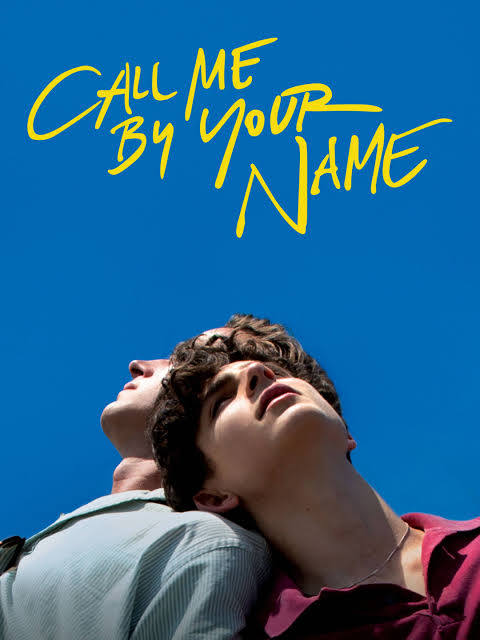
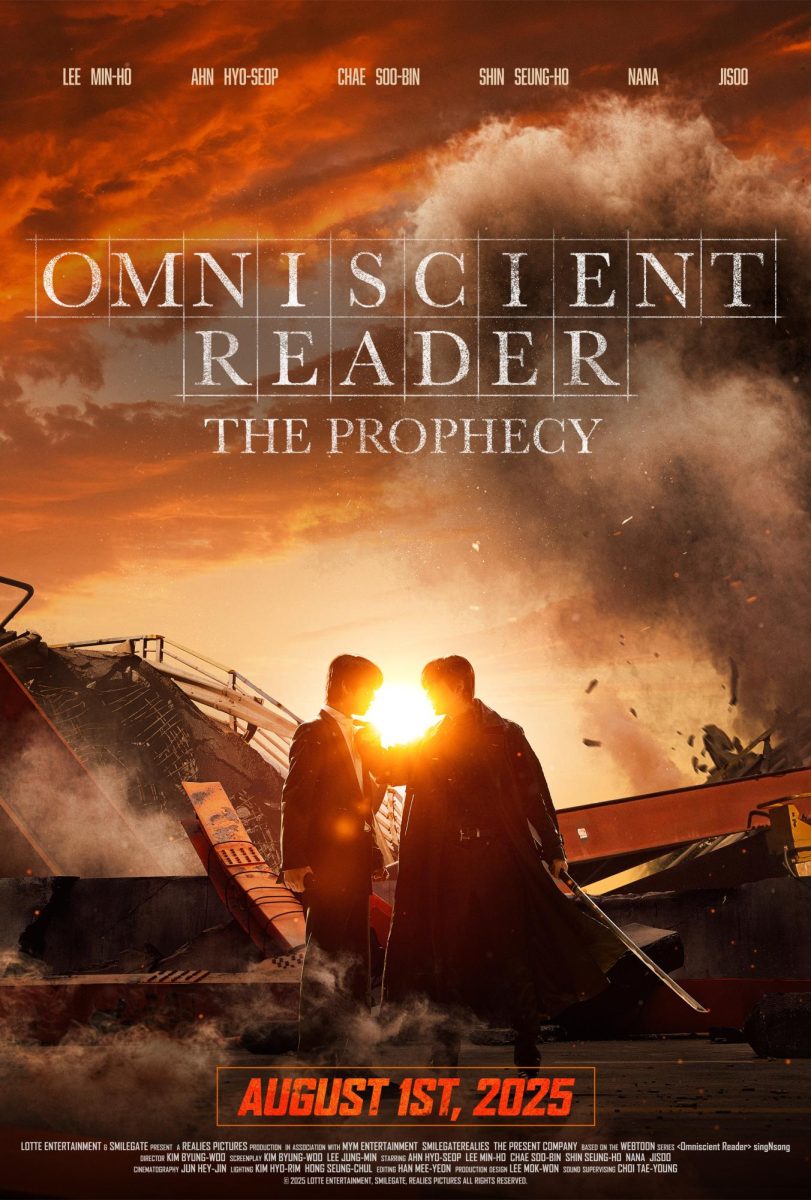
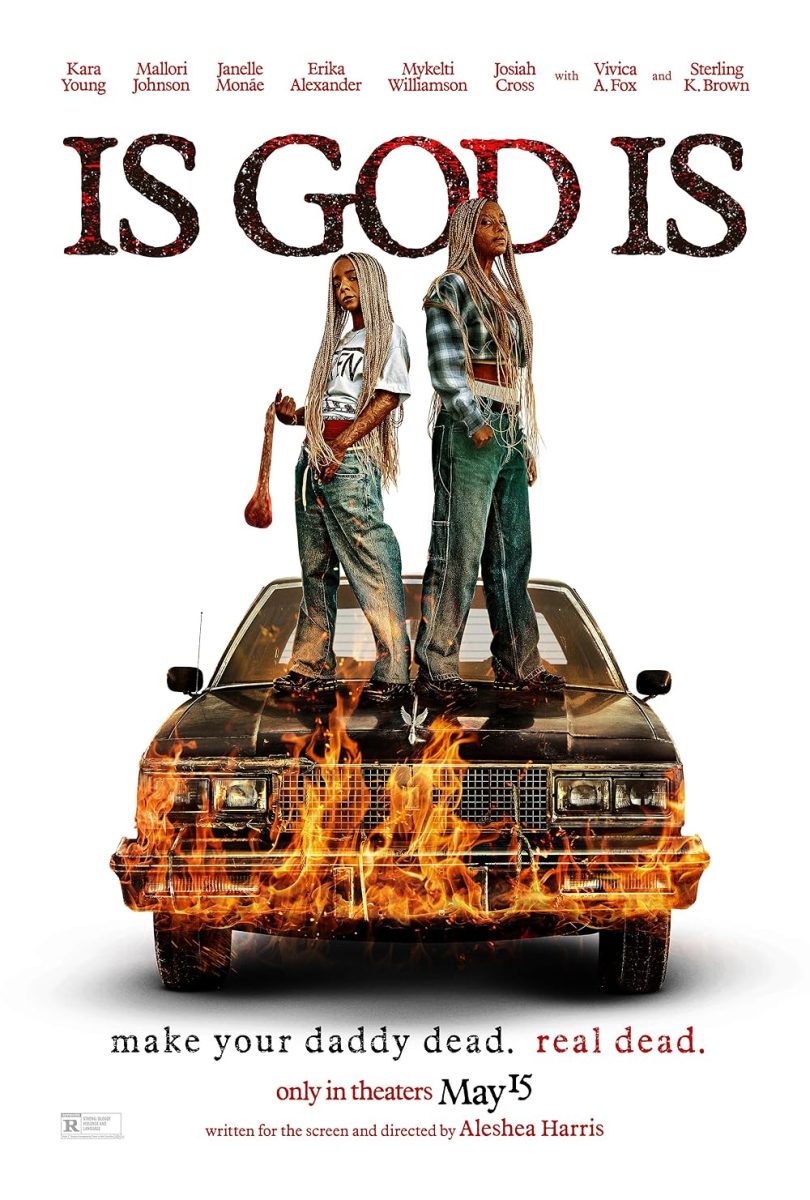
As someone who has worked at a movie theater for the past five years, I’ve seen my fair share of box office injustices. There have been so many movies that haven’t gotten their flowers, and many of them have unfortunately been original films.
I will grant grace on account that 2025 brought movies such as “Sinners,” “Hamnet” and “Weapons” which gained mass box office success and critical acclaim, all of which were nominated for Oscars. However, that doesn’t change the fact that in 2018, 24 of the top 25 highest grossing films at the box office were either franchise films, adaptations or re-releases.
Within my years of movie theater experience, it seems as if with every neglected original film, there’s always a sequel, remake or adaptation in the theater right next door that’s getting an egregious amount of attention. The viewership is usually ironic, as many of the moviegoers are actively drafting hate tweets as they’re leaving the theater.
Even then, the tweets are made with very little substance and are usually irrelevant complaints, such as a character’s race being changed (some of y’all owe Rachel Zegler and Halle Bailey several apologies, OK?). They don’t care about the preservation of the source material; they just want to whine about something.
Regardless of what some urchins are complaining about on the internet, it doesn’t change the fact that Hollywood speaks box office. They don’t care how many people seemingly hate their recycled ideas as long as the cash keeps flowing and we, as a society, continue to hate-watch things.
The influx of unoriginality also stems from the fact that movie theaters are still struggling after COVID-19. Box office revenue from 2021-2024 still trails $2 billion to $3 billion behind in revenue from 2017-2019.
Hollywood needs your attention and your money, which means they want to play it safe with a sequel rather than take a risk on an original or a niche project.
Movie theater ticket and concession prices also don’t help this phenomenon. People are more inclined to watch something familiar than something completely new since it costs 20-30 bucks to see anything in theaters nowadays.
Even if an adaptation, sequel or remake isn’t good, it will most likely generate a profit since many studios hire well-known actors to star in them. They cater to a consumer culture that is more focused on a name than content.
This has been the case with many recent adaptations, such as the Wuthering Heights film, written and directed by Emerald Fennell. Twitter (I’m not calling it X) had a field day with this one, dividing many fans of the original novel and the movie, but it still grossed over $240 million internationally.
Wuthering Heights was the last film Zeineb Benachour, a second-year student studying accounting, had seen in theaters. She thought the film was not a great adaptation of the book; she felt it would’ve been fine if it were a film of its own. She enjoys going to the theater when there is a film being released with good publicity
“When I watch movies, I try to watch older movies because I think the 80s, 90s and 2000s were when movies were a lot better than they are today,” she said. “I’ll usually go to the movies if I see something online or if there’s a movie that’s come out recently that has a lot of hype around it and people are talking about it a lot.”
Benachour has also seen a similar pattern in the book industry: “Have you seen what’s happening? Like, the tropes: people are just churning out books with tropes they think
consumers want to see, and they’re doing the same thing with movies. And so now they’re adapting all these terrible books that are coming out into movies. So that’s just even more bad movies.”
Streaming platforms make this statement ring true as well. According to Neilson, seven of the 10 most-watched streaming originals were based on pre-existing material.
Rani Albinati, a third-year student studying computer engineering, spent his last time at a movie theater seeing “Iron Lung,” a science fiction horror film based on the 2022 game of the same name. The film isn’t necessarily an adaptation, though, as the original game really doesn’t offer much other than four walls in a submarine and a jump scare.
Even though Albinati didn’t care for the game, he felt that the effort put into the film by Mark “Markiplier” Fischbach, who wrote, starred in, produced and directed the film, is what made it enjoyable.
“I think what was nice about Iron Lung is that, what I know of it, is that it was solely funded by the director, Markiplier, and you can tell he made every decision in that movie. You can kind of tell that that movie was made with love.”
Markiplier was able to take such a creative risk with Iron Lung since it was independently funded, but it also meant he didn’t have to adhere to the standards that many Hollywood studios have for movies. Those same standards are what make cash cows out of modern films, to be constantly milked for profit.
Nell Pietri, a French masters candidate, brought up how it’s the movies that break barriers that have a bigger impact for longer periods of time. “A lot of movies are sticking around. They’re the ones that are not fitting into the Hollywood standards. At least not at first, and the ones that make people, I don’t know, uncomfortable, it’s the same reason why “Parasite” was such a hit. It was not to Hollywood standards, and it shocked people, and it’s gonna stick because it’s a part of a new era in a way.”
So how do we fix this? What can we do to break this cycle of consumer and studio conditioning so filmmakers don’t have to play it safe when creating art, and allow us to return to the theater to support them?
Well, Pietri brought up how France imposes a tax on movie tickets, which funds their National Centre of Cinema (CNC). This tax amounts to 10.72% of the ticket price, which goes right back into the French film industry to offer financial aid for production and to keep the industry alive without a financial burden.
This kind of change obviously won’t happen overnight, but it is possible. We have more influence over the flow of cinema than we know, and I think if we continue to show up more for original or indie films, we can make a real difference in not just the movies we consume, but in media as a whole.